

New Construction vs. Resale Homes in Central Florida (2026)

One of the first big forks in the road for Central Florida buyers isn't where to buy—it's what kind of home to buy. Do you go with a shiny new build in one of the fast-growing communities around Winter Garden and Clermont, or a resale home in an established neighborhood with mature trees and a proven track record? Both paths can lead to a home you love, but they ask different things of your budget, your timeline, and your patience. At Bella Trae Realty, we walk buyers through this decision every week, so here's an honest, local look at how new construction and resale really stack up in 2026.
New vs. Resale: The Real Question Behind the Choice
The “new or resale” debate usually hides a more useful question: how much do you want to trade convenience for character, and money for time? A brand-new home hands you modern floor plans, current energy codes, and a builder warranty, but you may wait months for it to be built and pay for landscaping, blinds, and fencing that resale homes already have. A resale home lets you see exactly what you're getting—the neighborhood at dusk, the commute at rush hour, the way afternoon light hits the lanai—but you inherit someone else's choices and a roof that's already a few years down its lifespan. Neither is “better.” The right answer depends on which trade-offs you can live with happily.
Price and Value: What Each Path Costs in 2026
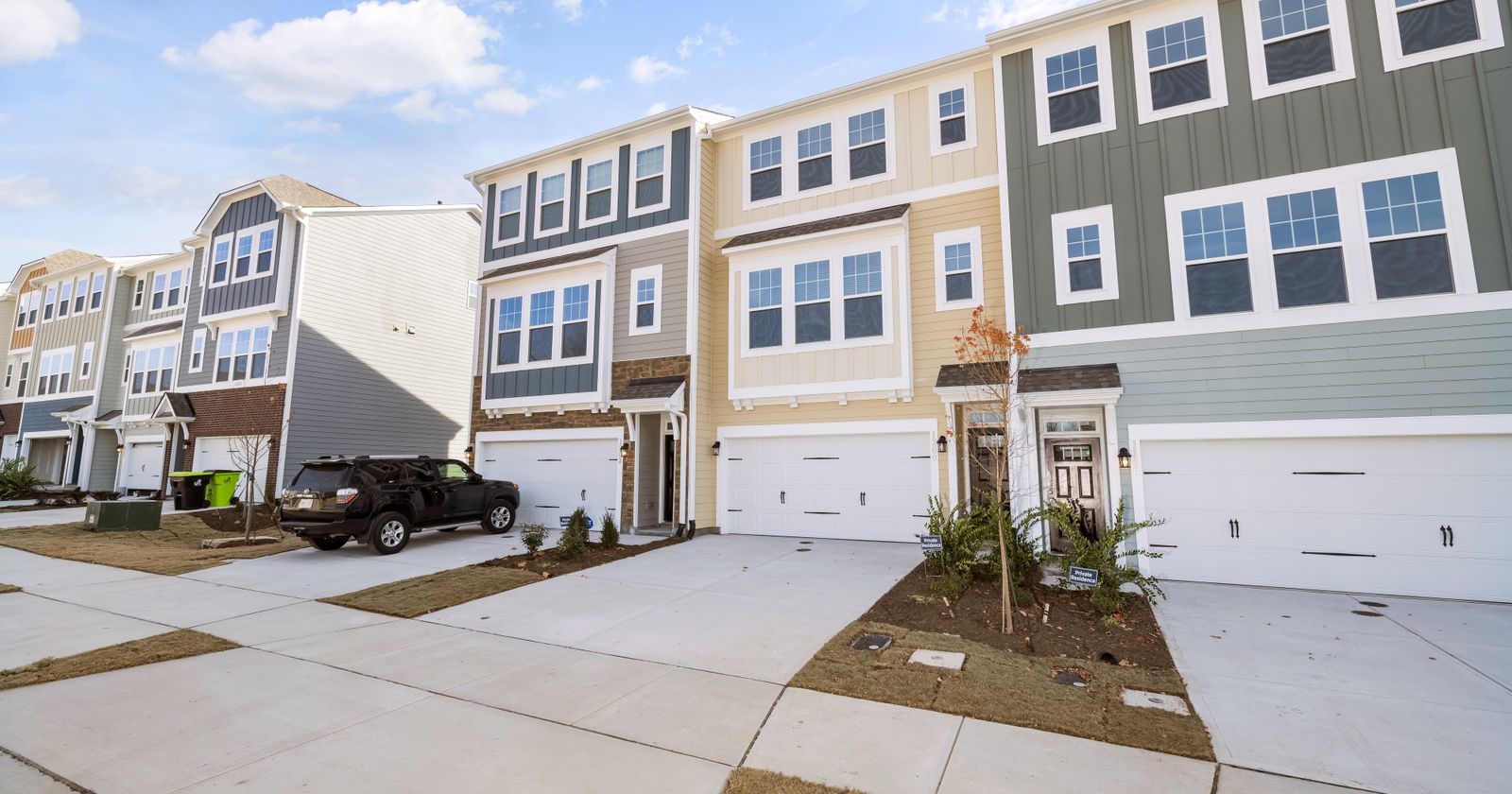
Sticker price only tells part of the story. Across Central Florida in 2026, new-construction townhomes often start in the high $300s, with new single-family homes commonly running from the low $400s into the $600s depending on the community and lot. Resale homes in established areas can sometimes come in a touch lower per square foot, and you're buying square footage that already includes a finished yard, window treatments, and often a screened lanai.
Where new construction fights back is in incentives. Builders in slower stretches of 2026 have leaned on rate buydowns and closing-cost credits to move inventory, which can meaningfully lower your monthly payment even when the base price looks higher. Resale sellers, meanwhile, are often more flexible on repairs and price when a home has been sitting. The smart move is to compare total monthly cost—payment, insurance, HOA, and expected upkeep—rather than price tags alone.
Move-In Ready or Make-It-Yours: Customization and Timelines
If you need to be in a home by a specific date—a lease ending, a school year starting, a job relocating—a resale home or a completed spec home is the safer bet. You can close in weeks rather than waiting on a build calendar that weather and supply chains can stretch.
If your timeline is flexible and you'd rather not renovate, a to-be-built home lets you choose finishes, flooring, and layouts from the ground up. Just go in clear-eyed: design-center upgrades add up quickly, and the “from” price rarely reflects the home most buyers actually want. A resale home flips that equation—you may update a kitchen someday, but you skip the months of decisions and the temptation of the upgrade menu.
Location and Lot: Established Neighborhoods vs. Emerging Communities
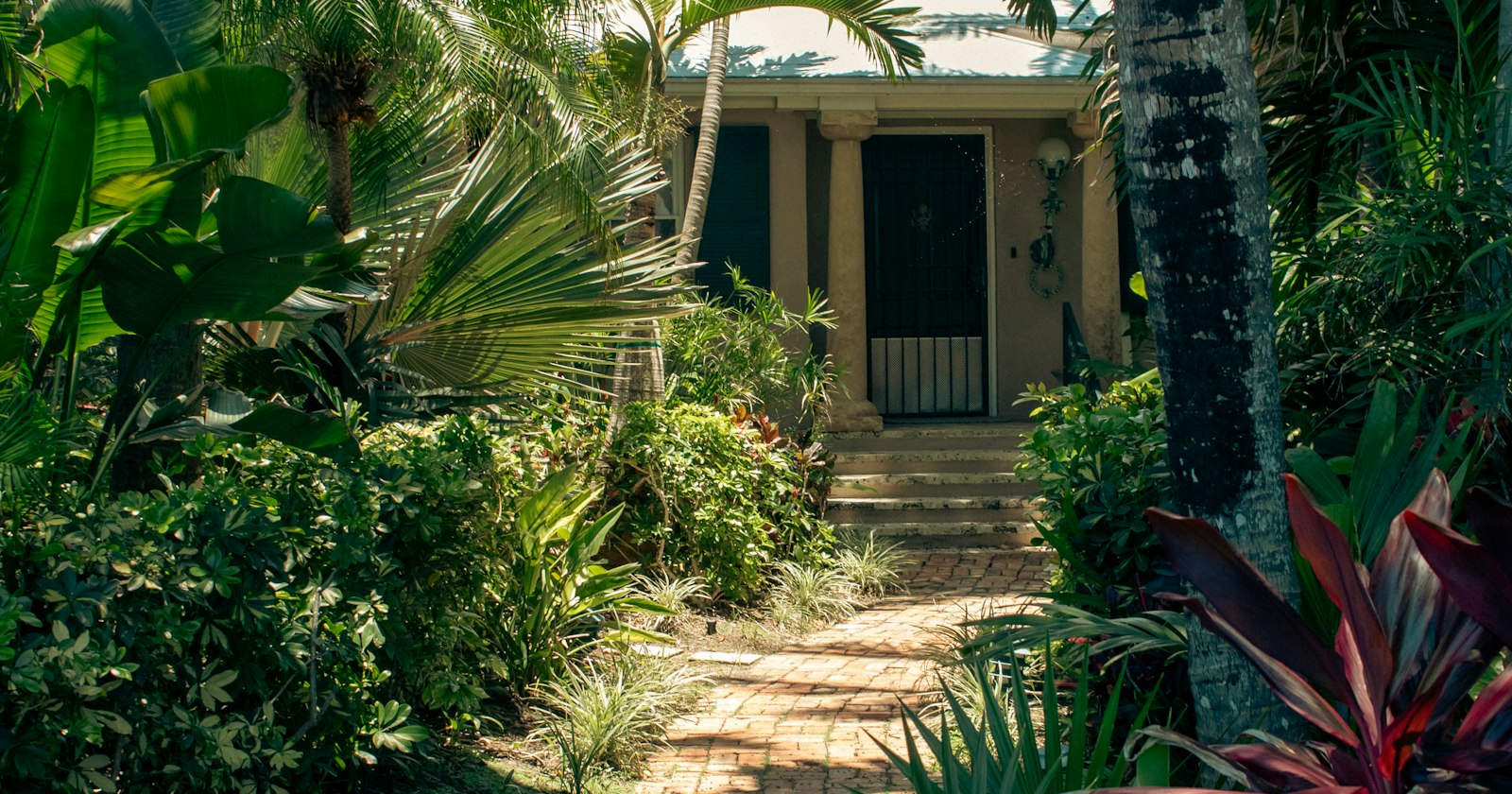
Location is where resale often quietly wins. Central Florida's most convenient pockets—close to downtown Winter Garden, the West Orange Trail, or the shores near Clermont's Chain of Lakes—were built out years ago, so most homes there are resales. You get mature landscaping, wider lots, and neighbors who already know which school pickup line is fastest.
New construction, by contrast, tends to rise where land is still available: the edges of Horizon West, the growth corridors of Davenport, and the newer stretches near Champions Gate. These communities offer resort-style amenities and modern layouts, but you may live alongside active construction for a while and drive a bit farther to established shopping. If being first into a growing area excites you, that's a feature; if you'd rather buy where the dust has settled, resale is your friend.
The Long Game: Maintenance, Warranties, and Resale Value
A new home's biggest comfort is predictability. Everything is under warranty, major systems are current, and your first several years should be light on surprise repairs. That peace of mind is real, especially for buyers who don't want to think about a water heater or an AC compressor anytime soon.
Resale homes ask you to plan for age—an inspection and a sensible maintenance budget matter more here—but they also come with data. You can see how the neighborhood has held its value, whether the HOA is well run, and how comparable homes have sold. When it's your turn to sell, both can perform well; established neighborhoods with limited new supply often hold value steadily, while newer communities can appreciate quickly as amenities and infrastructure fill in around them.
Which One Fits Your Next Move?
If you crave a blank canvas, modern efficiency, and warranty-backed calm—and you can wait—new construction may be your match. If you value location, mature surroundings, and the ability to judge a home with your own eyes before you commit, a resale home likely fits better. Most of our clients land somewhere in the middle, and the fastest way to clarity is to tour a few of each. Seeing a builder's model beside a resale home in the same price range makes the trade-offs obvious in a way no spreadsheet can.
That's exactly where a local agent earns their keep. Bella Trae Realty knows which builders are negotiating hardest this quarter, which established neighborhoods are worth the premium, and how to structure an offer either way. Contact Bella Trae Realty today and we'll help you weigh new versus resale against your budget, timeline, and the Central Florida lifestyle you're after—then find the home that makes the choice easy.
Categories
Recent Posts


GET MORE INFORMATION