

Writing the Florida Offer, FR/BAR vs AS IS: Transaction Step 5
You have your financing lined up, you know who represents you, and you have chosen a lender who understands Florida. Now comes the moment the house hunt turns into a transaction: you write the offer.
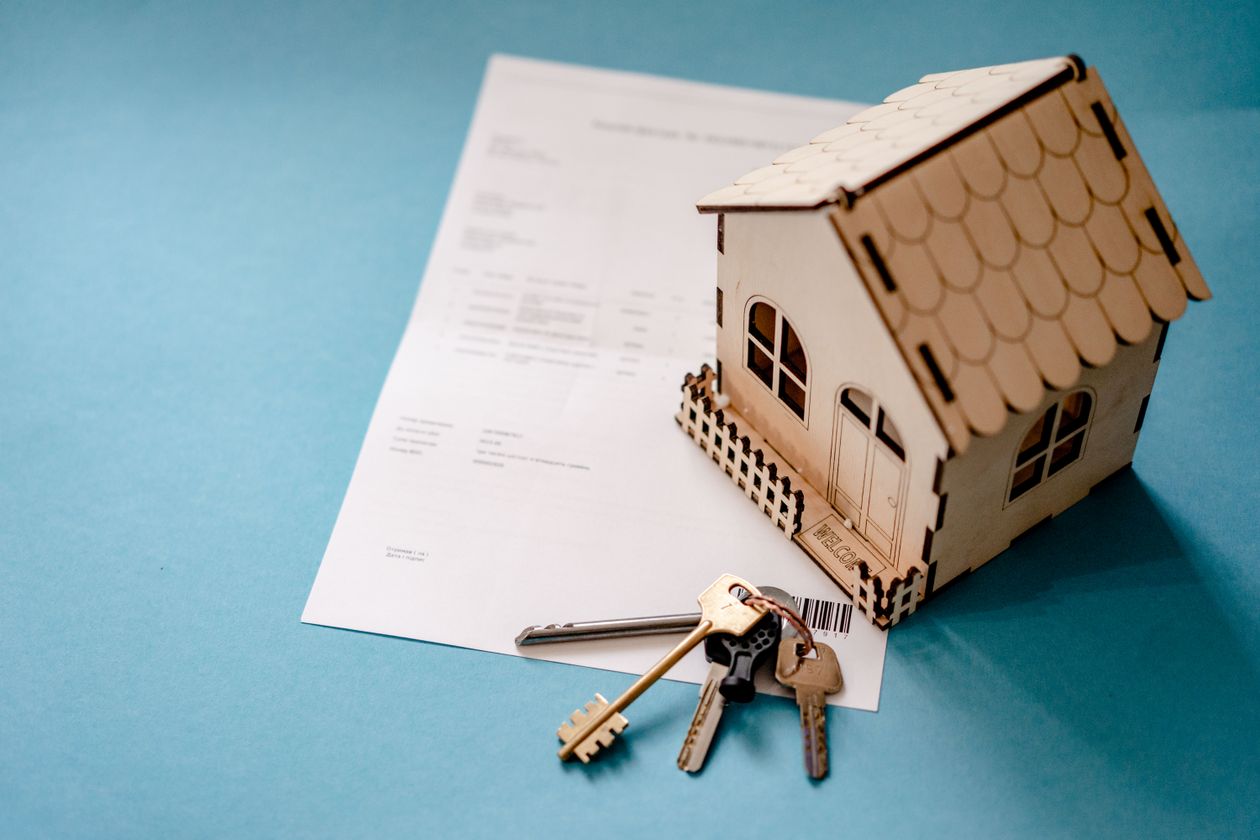
In Central Florida that almost always means one of two forms published jointly by Florida Realtors and The Florida Bar — the Residential Contract for Sale and Purchase, which agents call the Standard, or the AS IS Residential Contract for Sale and Purchase. Flip through them and most pages look identical. They are not. The paragraph where they split decides who pays when the air handler in that Clermont ranch turns out to be nineteen years old.
The Two Forms Share a Spine, Then Split at Repairs
Put them side by side and the escrow mechanics match, the financing contingency matches, the title, survey and closing sections match. The divergence is the repair obligation, and it is total.
Under the Standard contract, the seller takes on a defined obligation to pay for certain repairs, up to stated limits. Under the AS IS contract, the seller agrees to repair nothing — the form says plainly that the seller “extends and intends no warranty and makes no representation of any type” about the physical condition of the property. In exchange, the buyer gets something the Standard contract does not hand over nearly as cleanly: a clear right to walk.
What the Standard Contract’s 1.5% Actually Buys
Paragraph 9 of the Standard contract carries three separate repair limits, each with a blank for a dollar figure or a percentage. Leave a blank empty and the form fills it in for you at 1.5% of the purchase price:
- General Repair Items — the everyday systems and structural defects.
- WDO treatment and repairs — wood-destroying organisms, which matter more in Lake and Orange County than they do almost anywhere in the country.
- Closing out open or expired building permits — the line that catches buyers in Ocoee and Apopka looking at homes with an owner-added lanai or a re-roof nobody ever finaled.
On a $450,000 Winter Garden townhome, 1.5% is about $6,750 per category. That is real money. It is also a ceiling rather than a promise: if the estimates come in above the limit, the seller can cap what they spend, and you are left deciding whether to take the house with a credit or walk. Paragraph 11 adds a quieter obligation worth knowing — the seller has to maintain the property, lawn, shrubbery and pool included, in the condition it was in on the Effective Date, and Paragraph 12 gives you a walk-through the day before or the morning of closing to confirm they did.
AS IS Does Not Mean No Inspection
This is the misreading we correct most often at Bella Trae Realty, usually from out-of-state buyers who hear “as is” and picture a foreclosure auction. It is not that at all.
Under Paragraph 12 of the AS IS form you get an Inspection Period, and if that blank is left empty it runs 15 days from the Effective Date. Inside that window you may cancel in your sole discretion — for a cracked tile, for a bad feeling, for no stated reason at all — and your deposit comes back. Written notice has to land before 5:00 p.m. local time on the final day, which is why the Effective Date matters so much and why we will spend a whole post on it later in this series.
So the AS IS form does not remove your protection. It relocates it. Instead of negotiating a repair list against a cap, you inspect hard and early, then choose: proceed, renegotiate, or leave clean. Sellers favor it because it ends the repair argument before it starts. Buyers who use the inspection window properly are rarely worse off.
The Blanks That Decide Your Deal: Three, Fifteen and Thirty
Both contracts are built on blanks with built-in fallbacks, and those fallbacks are the most overlooked risk in a Florida offer. On the current AS IS form, if nobody fills them in:
- Your initial escrow deposit is due within 3 days after the Effective Date.
- Your Inspection Period is 15 days after the Effective Date.
- Your Loan Approval Period is 30 days after the Effective Date.
- Your title evidence is due at least 15 days before the closing date.
None of those are neutral. A 30-day loan approval window on a Horizon West condo that needs a full lender review is tight, and a 15-day inspection window in October, with hurricane season running through November 30, is a window you want to understand before you sign. Ask your agent and your lender what happens to your insurance binder if a named storm enters the forecast cone while you are mid-inspection — that is a Florida question with a Florida answer, and it is better asked in week one than week three.
Riders Are Where Central Florida Offers Get Decided
Neither base form covers what actually makes a Davenport, ChampionsGate or Horizon West deal different. That lives in the riders: the condominium rider, the homeowners’ association rider, the CDD disclosure that governs so much of Horizon West and the Four Corners, the seller financing and short sale riders when they apply.
Two changes took effect March 1, 2026 and are worth knowing while you are writing. Florida Realtors revised the Qualifying Improvements Rider — the form many agents still call the PACE rider — to track amendments to Section 163.081, Florida Statutes, which is relevant any time a home carries a financed solar array or impact-window assessment. The same update revised Section 18 of both contracts to line up with a federal FinCEN reporting requirement covering certain non-financed residential transfers to entities and trusts. If you are buying a St. Cloud or Minneola investment property for cash in an LLC, expect your closing agent to ask questions they would not have asked two years ago.
Which form you write on is a strategy decision, not a formality, and it is one we work through with every Bella Trae Realty client before the first offer goes out — because in a multiple-offer situation on a Windermere listing, the form itself is part of how your offer reads.
Up Next
Wednesday brings Transaction Step 6: Escrow Deposits in Florida — the initial deposit, the additional deposit, and what people mean when they say a deposit “goes hard.” If you are weighing an offer right now, or you want a second read on a contract someone has already put in front of you, contact Bella Trae Realty today.
This article is general education about how Florida transactions typically work. It is not legal, tax or lending advice — confirm current form versions, figures and rules with a licensed Florida professional.
Categories
Recent Posts



GET MORE INFORMATION